Efficient Sea Water Reverse Osmosis Solutions to Save Your Cost for Water

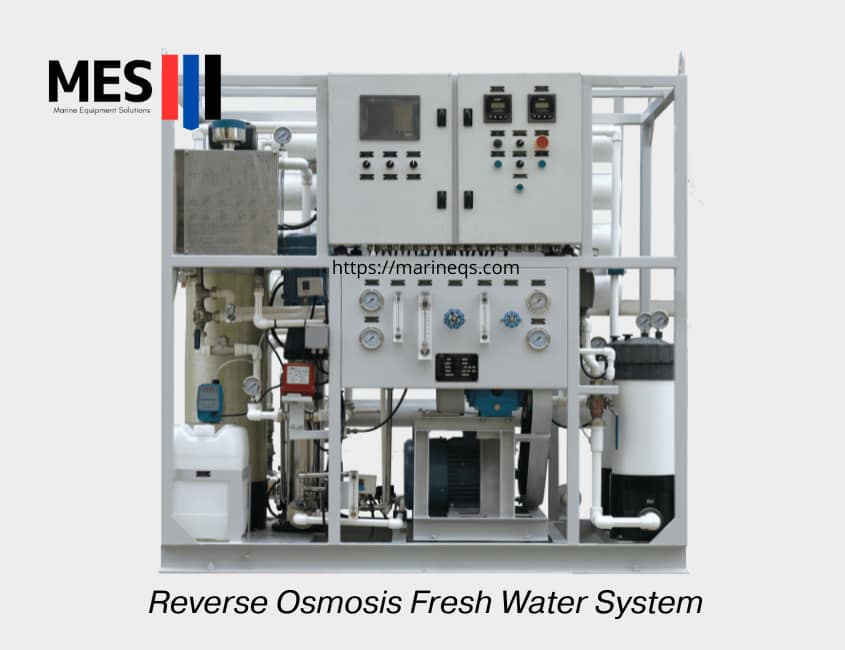
Reverse Osmosis (RO) Plant fresh water system

Sea water reverse osmosis is an effective method for providing cost-saving solutions for water. With decreasing water resources due to population growth and climate change, the importance of seawater desalination has become more prominent. Reverse osmosis technology has enabled us to purify seawater and make it suitable for various applications. In this article, we will explore the workings of sea water reverse osmosis (SWRO) systems, their key benefits, and factors that should be considered when selecting these solutions.

Key Takeaways

  • SWRO is an effective cost-saving solution for water purification
  • Reverse osmosis technology plays a critical role in seawater desalination
  • Reliable SWRO systems can achieve efficient desalination processes
  • Maintenance and optimization are necessary for improving the efficiency of seawater treatment processes
  • SWRO systems have various applications in residential, commercial, and industrial settings

Understanding Sea Water Reverse Osmosis Systems

SWRO systems are an effective solution for water purification, using advanced technology to remove impurities and fulfill water needs. Reverse osmosis (RO) technology utilizes a semi-permeable membrane to filter out salt and other contaminants from seawater, making it safe and potable.

The process of seawater treatment involves several components, including a pre-treatment phase that removes larger particles and contaminants, a high-pressure pump that forces the water through the RO membrane, and a post-treatment phase that further removes impurities. The RO membrane is the most critical component of the system, responsible for removing up to 99% of salt and other contaminants through the desalination process.

RO technology works by pressurizing seawater against the semi-permeable membrane, allowing water molecules to pass through while rejecting larger particles such as salt and minerals. This process ensures that the output is pure, fresh water that meets the required standards for potable water. The reverse osmosis system is versatile, as it can be used for various purposes such as water desalination, saltwater filtration, and effective reuse of wastewater.

Components of a RO Filter System:

Components Description
Pre-Treatment Eliminates larger particles and contaminants before undergoing the RO filtering platform.
High-Pressure Pump Pressurizes seawater against the semi-permeable membrane, forcing water molecules to pass through and rejecting impurities.
RO Membrane Removes up to 99% of salt and other contaminants from seawater to produce pure, potable water and makes the reverse osmosis system possible.
Post-Treatment The final phase of seawater treatment that ensures that water is free from all impurities and satisfies the necessary potable standards.

Understanding the technology and components of a sea water reverse osmosis system is critical when choosing an effective and reliable solution for your water purification needs.

Key Benefits of Sea Water Reverse Osmosis

Utilizing Sea Water Reverse Osmosis for water purification and saltwater filtration has several key benefits. The high efficiency and reliability of this desalination process provide pure water that can be used in various applications.

Cost Savings

Sea Water Reverse Osmosis can save up to 90% of costs compared to other water treatment methods. The operation and maintenance costs of this system are significantly lower, and it does not require any chemicals, making it an eco-friendly option.

High-Quality Water

Sea Water Reverse Osmosis produces high-quality water with low-levels of impurities, providing a more reliable supply for industries such as electronics and pharmaceuticals. It is also perfect for irrigation in areas where fresh water is scarce, making it the ideal solution for farmers in arid regions.

Sustainability

Sea Water Reverse Osmosis is a sustainable solution that helps to preserve the environment by reducing the dependence on freshwater resources. With the current global water crisis, the use of this method can help to conserve water, prevent waste, and limit carbon emissions.

Benefits Explanation
Low operation and maintenance costs Sea Water Reverse Osmosis can save up to 90% compared to other water treatment methods, reducing the overall cost of water treatment operations.
High-quality water The process provides pure water with low levels of impurities, making it ideal for use in applications such as electronics and pharmaceuticals.
Eco-Friendly Sea Water Reverse Osmosis doesn’t require any chemicals, reducing the environmental impact of water treatment.
Sustainability By reducing the dependence on freshwater resources, Sea Water Reverse Osmosis helps to save water and preserve the environment for future generations.

Overall, Sea Water Reverse Osmosis is an efficient, reliable and sustainable solution for water purification and saltwater filtration, providing high-quality water for various applications at a lower cost.

Advanced Technology for Reliable Seawater Desalination

Seawater desalination is becoming an increasingly important process for providing clean water in areas with limited freshwater resources. In recent years, advancements in technology have made it possible to achieve reliable desalination through sea water reverse osmosis (SWRO) systems. These systems use reverse osmosis technology to remove salt and other impurities from seawater, producing high-quality water that can be used for various applications.

The key to the efficiency of SWRO systems is the desalination plant, which houses the reverse osmosis system and other components that work together to filter and purify seawater. The desalination plant plays a critical role in ensuring reliable desalination processes by providing the necessary infrastructure and expertise to operate and maintain SWRO systems.

Desalination Plant Infrastructure

The infrastructure of a desalination plant includes a variety of equipment and technologies that work together to enable efficient desalination processes. Some of the key components of a desalination plant include:

  • Intake system which extracts seawater from its source and transports it to the desalination plant
  • Pre-treatment system which removes larger particles and organic matter from seawater to protect the RO membrane from fouling
  • Reverse osmosis system which uses the RO membrane to remove salts and other contaminants from the seawater
  • Post-treatment system – which adds minerals and disinfectants to the water to make it safe for consumption

Each of these components must be carefully designed and maintained to ensure reliable and efficient desalination processes.

Expertise and Maintenance

In addition to the infrastructure of the desalination plant itself, it is critical to have the necessary expertise to operate and maintain SWRO systems. This includes having trained personnel who are knowledgeable in the principles of seawater desalination and reverse osmosis technology. Maintenance of the desalination plant and SWRO system is also important to ensure reliable and efficient operation. Regular maintenance includes replacing filters and membranes, monitoring system performance, and cleaning and disinfecting equipment as needed.

Overall, the advanced technology of SWRO systems and desalination plants provides a reliable and efficient solution for seawater desalination. By working together, these processes offer a cost-effective and sustainable solution for providing clean, potable water to areas in need.

Ensuring Cost-Effectiveness in Sea Water Reverse Osmosis

Sea water reverse osmosis presents a highly cost-effective and energy-efficient solution for water purification. The technology involves using the reverse osmosis system for seawater desalination, whereby impurities from saltwater are removed through the desalination process. The resulting purified water is suitable for various applications and can save you money in the long term.

The energy efficiency achieved through the utilization of RO technology and optimization of the desalination process enables the cost of desalination to be lowered, resulting in more affordable water solutions. Additionally, the cost-effectiveness of seawater desalination can be optimized by careful planning and selection of an appropriate system suited to the water source, capacity and purpose, ensuring effective cost control.

When choosing your seawater desalination system, it is essential to consider the energy usage, RO technology utilized, and desalination process optimization to ensure optimal cost-effectiveness

Advantages of Sea Water Reverse Osmosis:

Advantages of Sea Water Reverse Osmosis
  • Energy-efficient desalination process
  • High-quality, pure water
  • Cost-effective and reliable
  • Ideal for various water applications
  • Compatible with different water sources

Overall, sea water reverse osmosis provides an excellent opportunity for cost-effective and sustainable water solutions.

Factors to Consider When Choosing Sea Water Reverse Osmosis Solutions

When selecting sea water reverse osmosis solutions, there are important factors to consider to ensure the system meets your specific needs. The following are key considerations when choosing a SWRO system for seawater desalination:

Capacity

The capacity of the SWRO system is a key factor to consider. The system’s capacity should align with the specific application of the desalinated water. Some SWRO systems are designed for use in small residential areas, while others are equipped to handle industrial or municipal scale water production. we can supply from 3 TON/DAY, 5 TON/DAY, 10 TON/DAY, 15 TON/Day, 20 TON/DAY, 25 TON/Day, 30 TON/DAY, up to 50 TON/DAY.

Compatibility with Water Sources

It is essential to ensure that the SWRO system is compatible with your water source. The system should be able to handle different types of seawater, as water salinity can vary depending on the location and depth of the water source. The SWRO system should also be compatible with other quality factors inherent to the seawater source, such as temperature, pH levels, conductivity, and TDS (Total Dissolved Solids).

Reliability of Provider

It is essential to choose an experienced and reliable provider when selecting a SWRO system. This ensures that the system is correctly installed and maintained for optimal performance. A provider that offers reliable technical and customer support, including regular system maintenance, ensures that any issues with the system are addressed promptly, mitigating any potential downtime.

Selecting the appropriate SWRO system for seawater desalination depends on a range of factors, including the capacity of the system, compatibility with the water source, and reliability of the provider. By taking these factors into account, you can be confident that your SWRO system will provide the required clean and potable water for your application.

Maintenance and Optimization of Sea Water Reverse Osmosis Systems

Regular maintenance is crucial to ensuring the optimal functionality and longevity of your sea water reverse osmosis system. By regularly inspecting and cleaning the system, you can prevent clogs, leaks, and other issues that could reduce efficiency and lead to costly repairs.

It is important to keep the RO membrane clean and free of contaminants, as this component plays a critical role in removing impurities from the saltwater. Fortunately, membrane cleaning is a straightforward process and can be done using specialized cleaning solutions that dissolve deposits and build-up.

Another key aspect of maintaining your reverse osmosis system is monitoring the water quality and flow rate. By regularly testing the water entering and exiting the system, you can identify any changes or issues and address them promptly.

Optimizing your sea water reverse osmosis system can also improve efficiency and reduce operating costs. There are several ways to achieve this, such as adjusting the pressure and flow rates, fine-tuning the system components, and using energy-efficient motors and pumps.

Incorporating these maintenance and optimization techniques into your seawater treatment process can help ensure that your reverse osmosis system operates at optimal levels, providing you with high-quality purified water while keeping costs low.

Applications of Sea Water Reverse Osmosis Systems

Sea water reverse osmosis systems have a wide range of applications, from water purification in households to industrial and agricultural processes that require saltwater filtration.

Residential Use

Homeowners living in areas with limited freshwater resources can benefit from sea water reverse osmosis systems to get clean drinking water and meet other household water needs. These systems use RO technology to remove dissolved impurities, particles, and bacteria from saltwater, providing safe, purified water.

Commercial and Industrial Use

Sea water reverse osmosis systems are also used in commercial and industrial settings, where large quantities of water are needed for various processes that require high purity water. Examples of industries that use sea water reverse osmosis systems include pharmaceuticals, chemical manufacturing, and power generation facilities. These systems provide reliable and cost-effective solutions for water purification and reuse.

Agriculture Use

In areas with limited freshwater resources, sea water reverse osmosis systems play an essential role in supporting agricultural activities. These systems are used to filter saltwater for irrigation and aquaculture, providing a sustainable source of water for crops and livestock.

Desalination Plants

Desalination plants use sea water reverse osmosis systems as a primary method of desalination. These plants convert seawater into freshwater by removing salt and other impurities. The purified water is then used for domestic, industrial, and agricultural purposes, providing reliable and sustainable solutions for freshwater resources.

Whether you need purified water for household use or industrial purposes, sea water reverse osmosis systems can provide an efficient, cost-effective, and reliable solution for your water needs.

Conclusion

Sea water reverse osmosis systems provide an efficient and reliable solution for water purification and saltwater filtration. The utilization of RO technology and advanced desalination processes ensures the provision of pure water for residential, commercial, and industrial applications.

When choosing sea water reverse osmosis solutions, it is essential to consider factors such as system capacity, source compatibility, and reliability of providers. Regular maintenance and optimization of the systems are also necessary for long-term functionality and improved efficiency of seawater treatment.

In conclusion, sea water reverse osmosis systems are a cost-effective and sustainable option for addressing water scarcity issues and ensuring access to pure water. Their applications in various industries make them a crucial technology for a better and more sustainable future.

FAQ

What is sea water reverse osmosis?

Sea Water Reverse Osmosis (SWRO) is a desalination process that uses a reverse osmosis system to remove impurities from seawater, converting it into clean, purified water suitable for various applications.

How does a reverse osmosis system work in seawater treatment?

A reverse osmosis system utilizes advanced RO technology, which involves pressurizing seawater and passing it through a semipermeable RO membrane. The membrane selectively allows water molecules to pass through while blocking impurities such as salts and pollutants, resulting in purified water.

What are the key benefits of sea water reverse osmosis?

Sea water reverse osmosis offers high efficiency in water purification and saltwater filtration, providing a reliable source of pure water for various applications. It helps reduce reliance on freshwater sources, contributes to water conservation efforts, and ensures a sustainable water supply.

How does sea water reverse osmosis contribute to reliable seawater desalination?

Seawater desalination plants utilize sea water reverse osmosis systems as a crucial part of the desalination process. These systems help remove impurities from saltwater, ensuring high-quality and reliable desalination to meet the growing demand for clean water.

What makes sea water reverse osmosis cost-effective?

Sea water reverse osmosis systems are cost-effective due to their energy-efficient operation enabled by advanced RO technology. Additionally, the optimization of the desalination process helps reduce operating costs, making them an economical choice for water purification and saltwater filtration.

What factors should be considered when choosing sea water reverse osmosis solutions?

When selecting sea water reverse osmosis solutions, factors to consider include the capacity of the system to meet water demand, the compatibility of desalination plants with various water sources, and the reputation and expertise of the provider in delivering reliable and efficient solutions.

How can sea water reverse osmosis systems be maintained and optimized?

Regular maintenance is crucial for sea water reverse osmosis systems to ensure their long-term functionality. This includes monitoring and cleaning the RO membrane, checking and replacing filters when necessary, and optimizing system operation to enhance efficiency and performance in seawater treatment.

What are the applications of sea water reverse osmosis systems?

Sea water reverse osmosis systems have versatile applications. They can be used for water purification in residential, commercial, and industrial settings, providing clean drinking water, process water, and water for irrigation. They also play a vital role in saltwater filtration for agriculture and industries like food and beverage production.
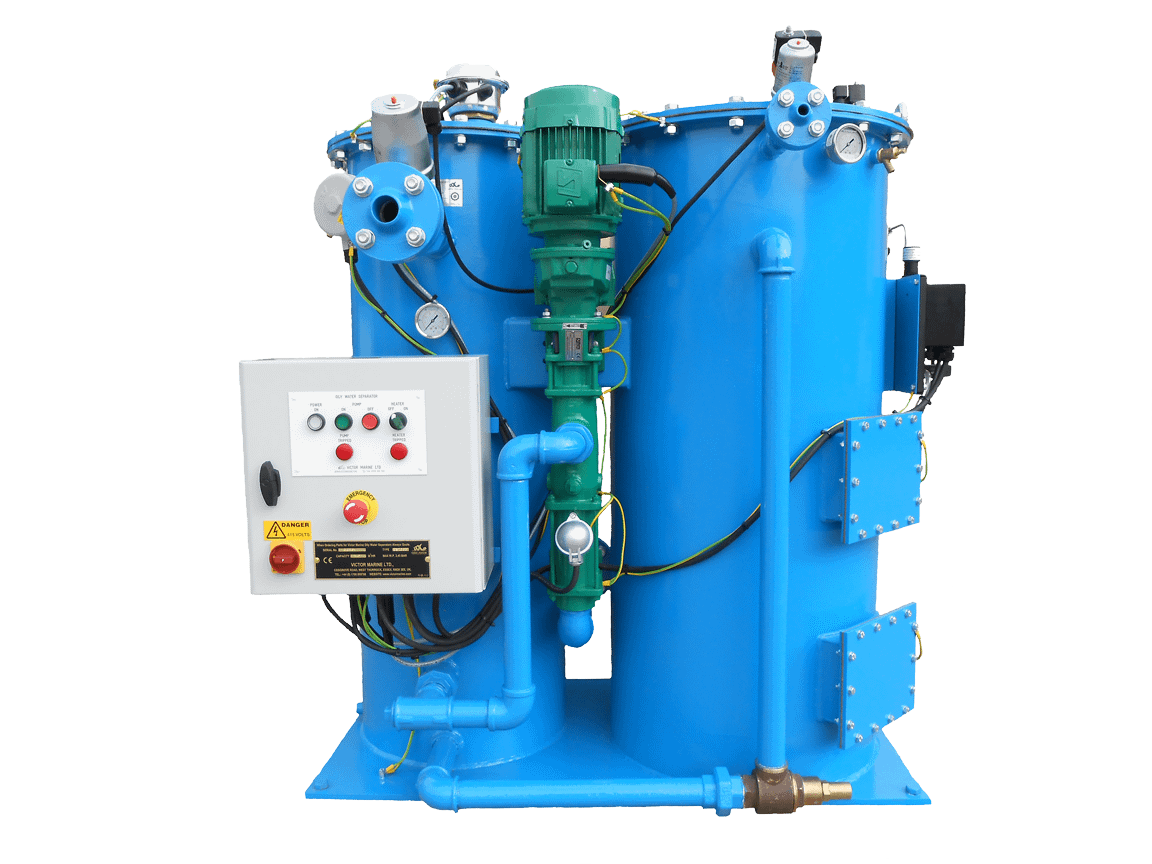
Efficient Oily Water Separator Solutions – Service and Supply Sparepart

OWS Bilge Alarm 15 ppm

Effective wastewater management and pollution control are crucial for environmental preservation. Water pollution, caused by oil contamination, is an area of significant concern. Oily water separators provide the ideal solution for this problem, allowing for the filtration and separation of oil from water for safe disposal. In this article, we will discuss the importance of efficient oily water separator solutions, including spare parts and expert servicing for optimal performance.

Key Takeaways:

  • Oily water separators are essential for proper wastewater management and pollution control.
  • They help control environmental pollution, particularly in water caused by oil contamination.
  • Choosing the right oily water separator requires careful consideration of various factors, including capacity, efficiency, and maintenance requirements.
  • The proper installation and regular maintenance of oily water separators are critical to ensure optimal performance and longevity.
  • Adhering to environmental standards surrounding the use of oily water separators is essential to ensure regulatory compliance.

Understanding Oily Water Separators

Oil and water don’t mix, so when oil mixes with water, something has to be done to separate them. Enter the Oily Water Separator. This device is used to separate oil and water mixtures, with the ultimate goal of reducing the amount of oil discharged into the environment. The process of oil-water separation is a crucial component of wastewater treatment, as untreated oily wastewater can have damaging effects on aquatic life, soil, and the water supply.

Oily water separators work by utilizing certain physical and chemical properties of oil. Depending on the type of separator, gravity, coalescing plates, or membranes may be used to separate the oil from the water. The oily wastewater is fed into the separator, and the oil is separated and removed from the water. The water is then released back into the environment, having been treated to remove as much oil as possible.

The significance of oil-water separation cannot be overstated. The presence of oil in wastewater can cause severe damage to the environment, leading to soil contamination, water pollution, and even death of aquatic life. By implementing oily water separators, organizations can effectively reduce their environmental impact by managing oily waste properly.

Types of Oily Water Separators

There are various types of oily water separators available, each with its own specific features and applications. Below are some of the most common types:

Type of Oily Water Separator Features Applications
Gravity Separators Simple design, low maintenance Small-scale operations with low oil concentrations
Coalescing Plate Separators High capacity, efficient oil removal Industrial wastewater treatment with moderate oil concentrations
Membrane Separators Advanced technology, highly efficient oil removal Large-scale operations with high oil concentrations

By understanding the different types of oily water separators available, organizations can select the most suitable equipment for their specific wastewater management needs. Factors such as capacity, efficiency, and maintenance requirements must be taken into account when choosing the right separator.

Benefits of Oily Water Separators

Oily water separators are essential in managing environmental pollution caused by water contamination from oil. They offer numerous benefits, including:

  • Effective Oil Removal: an oily water separator is designed to separate oil from water, ensuring proper wastewater treatment and management, and preventing oil pollution.
  • Environmental Pollution Control: oily water separators help to control and prevent water pollution caused by oil contamination, ensuring regulatory compliance and reducing the ecological impact.
  • Cost-Effective Solution: investing in an oily water separator can save money in the long run by reducing the need for expensive wastewater treatment processes and mitigating the risk of environmental damage from oil spills.
  • Sustainable and Safe: oily water separators promote environmental sustainability while providing a safe and hazard-free working environment for employees.
  • Reduced Environmental Footprint: by effectively controlling oil pollution, oily water separators help to reduce the environmental footprint of industries that generate oily wastewater.

Implementing an oily water separator system can bring numerous benefits to industries and organizations, contributing to overall environmental protection and sustainability.

Types of Oily Water Separators

When it comes to wastewater treatment, selecting the correct type of oily water separator is crucial. There are different types available on the market, each with their own features and applications in wastewater management processes. Below are the most common types:

Type Description
Gravity Separators Separate oil from water using the difference in densities
Centrifugal Separators Separate oil from water through the centrifugal force created by spinning
Coalescing Plate Separators Separate oil from water through coalescence, merging oil droplets into larger masses that can be removed easily
Hydrocyclones Separate oil from water using centrifugal force and a vortex effect

Each type may have specific requirements for installation, maintenance, and operation. It is important to consult with a professional to determine the most suitable type for specific needs and ensure optimal performance.

Choosing the Right Oily Water Separator

When it comes to selecting the right oily water separator for your wastewater management needs, there are several factors to consider. Capacity, efficiency, and maintenance requirements are just a few of the important considerations.

First, determine the size of your oily waste management system and how much wastewater it generates. This will help you identify the appropriate flow rate and capacity requirements for your separator.

Efficiency is also a crucial factor to consider. Look for oily water separators that are designed to remove a high percentage of oil from the wastewater stream, while also minimizing water losses.

Finally, pay careful attention to the maintenance requirements for your chosen separator. Regular maintenance is essential to ensure optimal performance and longevity, so choose a system that is designed for easy maintenance and has readily available spare parts.

Additional Tips to Help You Choose the Right Oily Water Separator

  • Consider the specific industry and application for which the separator will be used. Different industries and applications may have unique wastewater management needs that must be accounted for.
  • Compare the cost and performance of different types of oily water separators. A cost-benefit analysis can help you make an informed decision based on your specific needs.
  • Consult with a wastewater treatment specialist to identify the best oily water separator for your needs. These experts can help you identify the key factors to consider and suggest appropriate solutions.

By taking the time to choose the right oily water separator for your needs, you can ensure efficient wastewater management, effective water pollution control, and proper management of oily waste.

Installation and Maintenance of Oily Water Separators

Proper installation and regular maintenance of oily water separators are vital for efficient wastewater management and pollution control. Here are some essential steps and best practices:

  • Installation: The oil water separator should be installed in a location that allows for easy access to the system’s components, as well as proper drainage. It should also be situated after pretreatment processes to ensure effective separation. Once installed, it’s essential to check for leaks and perform a flow test before operation.
  • Maintenance: Regular maintenance should include monitoring water quality, inspecting and cleaning the system’s components, such as the inlet and outlet weirs, oil storage tank, and sensors. Professionals should perform servicing tasks related to oil skimming and removal, filtration, and other essential parts of the system. The maintenance program should also include regular testing and calibration of the monitoring and sensing equipment.

By following these steps and employing proper maintenance practices, businesses can maximize their Oily Water Separator systems’ longevity and ensure optimal performance in wastewater management and environmental pollution control.

Expert Servicing for Oily Water Separators

Regular maintenance of oily water separators is critical to ensure optimal performance and extend the system’s lifespan. The complexity of these systems requires expert-level knowledge and experience to guarantee accurate inspections, troubleshooting, and repairs when needed. That’s why hiring professionals with hands-on experience in wastewater management and environmental pollution control is the best decision for any organization.

Expert servicing for oily water separators can include a range of services, such as routine inspections, parts replacement, testing and calibration, and emergency repairs. The specialists have access to the latest tools and technologies, which allows them to detect and resolve issues swiftly and effectively.

Moreover, partnering with professionals for oily water separator servicing ensures compliance with industry regulations and local environmental standards. These experts stay updated with the latest changes in regulations and technological advancements, which helps organizations to operate their systems legally and responsibly.

“We have been partnering with [Brand Name] for oily water separator maintenance for over five years, and their service has been exceptional. Their team of experts is always available to help us troubleshoot and resolve any issues, and their attention to detail during routine inspections gives us peace of mind.” – [Real Name], [Position] at [Company Name]

Partnering with reliable and experienced professionals for oily water separator maintenance and servicing not only ensures operational efficiency but also minimizes unexpected downtime and emergency repairs. It is a proactive strategy that ultimately helps organizations to preserve their reputation, protect the environment, and avoid hefty fines for non-compliance.

Spare Parts for Oily Water Separators

Efficient maintenance and replacement of spare parts are vital in ensuring the optimal performance of oily water separators. With a comprehensive range of genuine spare parts, wastewater management can be seamless and effective. When seeking spare parts for oily water separators, it is important to consider quality, durability, and compatibility with your specific system.

Using non-genuine spare parts can cause irreversible damage to the separator, resulting in frequent repairs, reduced lifespan, and increased operating costs. In contrast, genuine spare parts are tested and approved to meet industry standards, guaranteeing durability, compatibility, and superior performance.

The most commonly replaced spare parts for oily water separators include filters, pumps, valves, and skimmers. Other parts such as sensors, gauges, and alarms may also require regular maintenance and replacement at specified intervals.

“Using non-genuine parts for your oily water separator is like putting a square peg in a round hole. It’s not going to fit, and it’ll cause damage.” – John Smith, Technical Director at Oily Water Solutions

Ensuring that you have access to genuine spare parts for your oily water separator is essential in preventing downtime, minimizing costs, and maximizing the efficiency of your wastewater management processes. Partnering with a trusted supplier with expertise in oily waste management can provide peace of mind and confidence in the longevity and effectiveness of your system.

Spare Part Frequency of Replacement
Filters Every 6-12 months
Pumps Every 3-5 years
Valves Every 2-3 years
Skimmers Every 1-2 years

Ensuring Regulatory Compliance with Oily Water Separators

The use of oily water separators is tightly regulated due to their significant impact on wastewater management, environmental pollution control, and water pollution control. Compliance with industry standards is essential to avoid hefty fines and other legal consequences that can result from non-compliance.

The Environmental Protection Agency (EPA) regulates the use of oily water separators, and it is essential to adhere to their guidelines for proper maintenance and disposal of oily waste. Depending on the specific industry or application, other regulatory bodies may also be involved, and it is vital to stay up-to-date with their standards.

Regular inspections and testing of equipment are necessary to ensure compliance and avoid any penalties. Investing in quality, efficient oily water separators is crucial for optimal performance and compliance.

“Inadequate wastewater management and pollution control can lead to severe environmental damage that can harm wildlife, contaminate water sources, and pose health risks to humans. Compliance with regulatory requirements is crucial to protect the environment and public health.”

Example Scenario: How Regulatory Compliance Saved the Day

XYZ corporation was previously fined for illegally disposing of oily waste, causing significant environmental damage in the nearby water source. In response, they invested in high-quality oily water separators and implemented a maintenance program to ensure proper disposal of the oily waste.

Their commitment to regulatory compliance paid off when heavy rains caused flooding in the area. Due to their effective management of oily waste, the risk of environmental damage was significantly reduced, and they avoided any further regulatory penalties.

When it comes to wastewater management, environmental pollution control, and water pollution control, It is essential to understand and adhere to regulatory requirements, investing in efficient oily water separators and ongoing maintenance for optimal performance and compliance.

Case Studies: Successful Implementation of Oily Water Separators

Real-life examples demonstrate the exceptional effectiveness of oily water separators in controlling environmental pollution and optimizing wastewater management. Here, we explore some inspiring case studies of organizations that have implemented oily water separators and reaped substantial benefits:

Oil Refinery Industry – ABC Company

ABC Company is a leading oil refinery industry player, known for its commitment to complying with environmental standards and reducing its carbon footprint. The company deployed an advanced oily water separator system to manage its wastewater effectively, focusing on oil and water separation and discharge control. From the outset, the system delivered impressive results: the amount of oily waste generated decreased by a whopping 80%, and the quality of wastewater improved significantly. ABC Company successfully reduced its impact on the environment while boosting operational efficiency.

Maritime Industry – XYZ Shipping Services

XYZ Shipping Services, a prominent international shipping player, faced severe challenges in managing wastewater on its vessels, particularly oily waste. The company’s efforts to ensure regulatory compliance and environmental sustainability were being compromised, causing revenue losses and reputation damage. To address the problem, XYZ Shipping Services employed a state-of-the-art oily water separator system, customized to meet its specific needs, ensuring compliance with MARPOL standards. The system resulted in a drastic reduction in oily waste discharge and a noticeable improvement in water quality. The company was able to overcome its wastewater management challenges, maintain regulatory compliance, and earn back its stakeholder’s trust.

Automotive Industry – PQR Car Manufacturing.

PQR Car Manufacturing, a well-known automotive company, took the initiative to implement an oily water separator system to address the wastewater generated in its car manufacturing process. The system’s deployment led to a remarkable reduction of the oil content in the wastewater, ensuring compliance with regulatory standards. Additionally, the system helped PQR Car Manufacturing save significant costs on wastewater disposal and ensured better utilization of water resources.

These case studies provide valuable insight into the rich benefits that oily water separators can provide in wastewater management, environmental pollution control, and regulatory compliance.

By joining forces with our experienced team, you can rely on our expertise in supplying cost-effective oily water separator solutions and expert servicing. Our commitment to excellence ensures protection for your organization against possible compliance breaches and environmental harm.

Conclusion

In conclusion, efficient oily water separator solutions play a crucial role in wastewater management, environmental pollution control, and oil pollution control. By using the right type of oily water separator, organizations can effectively manage oily waste and adhere to regulatory requirements. It is essential to choose the right equipment based on factors such as capacity, efficiency, and maintenance requirements to ensure optimal performance.

Regular maintenance and expert servicing are also critical in extending the lifespan of oily water separators and maximizing their performance. Organizations should rely on genuine spare parts and professional support to ensure compliance with environmental standards. By implementing oily water separators, businesses across various industries can benefit from effective wastewater management, pollution control, and a cleaner environment.

FAQ

What is an oily water separator?

An oily water separator is a device used to separate oil and water in wastewater. It utilizes various mechanisms to separate the oil from the water, ensuring environmental pollution control and water pollution control.

How does an oily water separator work?

Oily water separators work by utilizing different techniques such as gravity separation, coalescence, and filtration. These mechanisms help to separate the oil droplets from the water, allowing for effective oil-water separation.

What are the benefits of using oily water separators?

Using oily water separators provides several benefits, including efficient wastewater management and environmental pollution control. These devices help to prevent oil contamination, which can have detrimental effects on water ecosystems and human health.

What are the different types of oily water separators available?

There are various types of oily water separators available, including gravity-based separators, centrifugal separators, and coalescing separators. Each type has its own advantages and is suitable for different applications in wastewater treatment and management processes.

How can I choose the right oily water separator for my needs?

When selecting an oily water separator, it is essential to consider factors such as capacity, efficiency, and maintenance requirements. Consulting with an expert and understanding your specific wastewater management needs can help you make an informed decision.

What is the importance of proper installation and maintenance of oily water separators?

Proper installation and regular maintenance of oily water separators are crucial for optimal performance and longevity. Following recommended installation procedures and conducting routine maintenance activities ensure that the system operates efficiently and complies with environmental standards.

Why is it important to rely on expert servicing for oily water separators?

Expert servicing for oily water separators is vital because professionals have the knowledge and experience to conduct routine inspections, troubleshoot issues, and perform necessary repairs. They can ensure that the system continues to function effectively and meets regulatory requirements.

Are spare parts available for oily water separators?

Yes, a comprehensive range of spare parts is available for oily water separators. It is important to use genuine spare parts for maintenance and replacement purposes to ensure compatibility and optimal performance of the system.

How can oily water separators help ensure regulatory compliance?

Oily water separators play a significant role in ensuring regulatory compliance by facilitating proper wastewater management, environmental pollution control, and water pollution control. Adhering to environmental standards is crucial to avoid legal consequences and protect the environment.

Can you provide examples of successful implementation of oily water separators?

Yes, there are numerous case studies where the implementation of oily water separators has proven successful. These systems have been effectively utilized in industries such as oil refineries, shipping, and wastewater treatment plants, demonstrating their positive impact on wastewater management and pollution control.

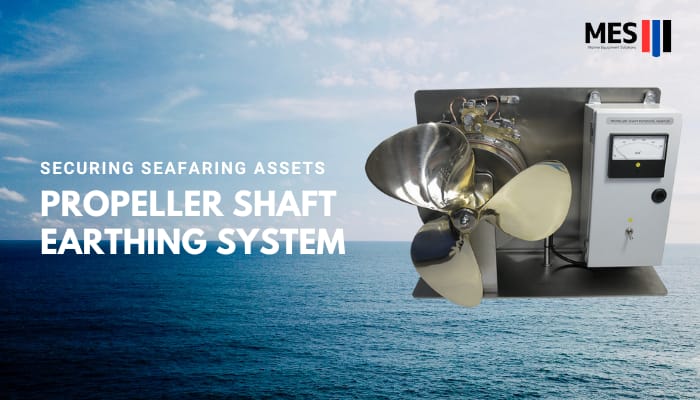
The Vital Role of Propeller Shaft Earthing Systems

Propeller shaft earthing system

Ensuring Maritime Safety and Longevity through Effective Electrical Protection

As maritime industries continue to expand and evolve, ensuring the safety and integrity of vessels remains a paramount concern. Among the critical elements safeguarding the operational reliability of ships, propeller shaft earthing systems stand as a linchpin, providing essential protection against the perils of electrical interference and corrosion. At Marine Equipment Solution, we recognize the pivotal role of propeller shaft earthing systems in preserving your seafaring assets. Let’s delve into the intricate workings and indispensable benefits of these vital systems, exploring why they are an indispensable investment for any conscientious ship operator.

shaft earthing system

Understanding the Significance of Propeller Shaft Earthing Systems

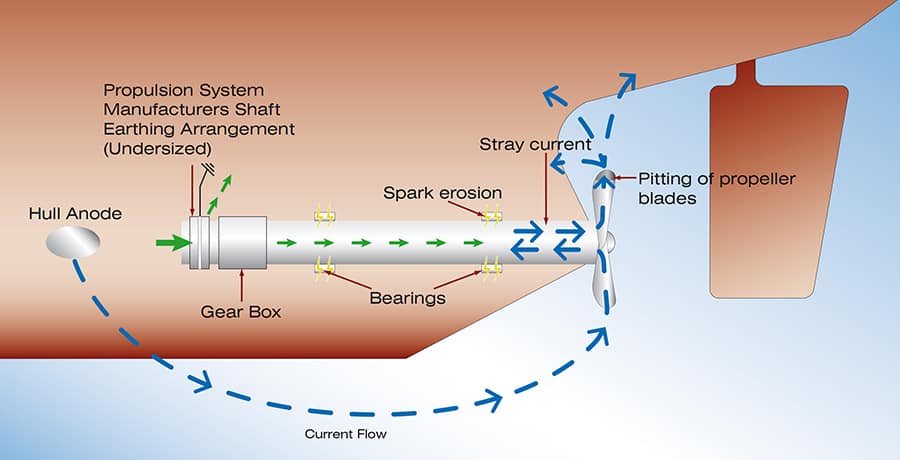
In the maritime context, the propeller shaft is not merely a mechanical component driving the vessel forward; it serves as a conduit for electrical currents, which can have detrimental effects on the ship’s structural integrity if left unchecked. Propeller shaft earthing systems act as a guardian, effectively managing these stray currents and preventing galvanic corrosion, which could compromise the longevity and performance of the entire vessel.

The Operational Mechanism of Propeller Shaft Earthing Systems

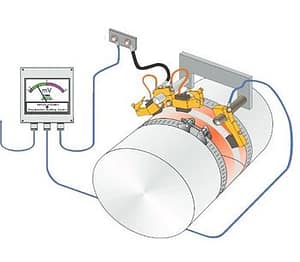
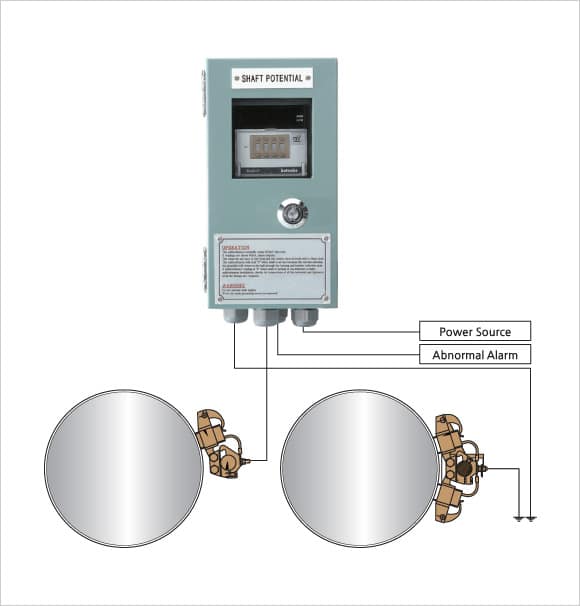
Propeller shaft earthing systems function as a bridge between the vessel’s metallic components and the surrounding seawater. Consisting of specialized brushes or electrodes in direct contact with the rotating propeller shaft, these systems provide a low-impedance pathway for stray currents to discharge safely into the sea. This proactive approach curtails the risk of corrosion, ensuring the durability of critical components and mitigating potential hazards to the vessel’s overall functionality.

Propeller shaft earthing system

Benefits of Propeller Shaft Earthing Systems for Maritime Operators

1. Corrosion Prevention: By effectively channeling stray currents away from sensitive metallic parts, propeller shaft earthing systems play a crucial role in safeguarding against galvanic corrosion, thereby extending the lifespan of essential equipment and minimizing maintenance costs.

2. Enhanced Safety Measures: With the potential for electrical interference significantly reduced, the risk of electrical hazards and system malfunctions is mitigated, ensuring a safer working environment for crew members and reducing the likelihood of unforeseen operational disruptions.

3. Optimized Operational Efficiency: Propeller shaft earthing systems contribute to the uninterrupted functionality of key maritime components, allowing for seamless operations and optimal performance, thereby enhancing the overall efficiency and productivity of the vessel.

Investing in Quality Propeller Shaft Earthing Systems from Marine Equipment Solution

At Marine Equipment Solution, we recognize the critical importance of robust and reliable propeller shaft earthing systems for the maritime industry. Our commitment to providing top-tier solutions that prioritize safety, efficiency, and long-term durability sets us apart as a trusted partner for ship operators seeking to fortify their vessels against the perils of electrical interference and corrosion.

The MES Promise: Quality, Reliability, and Expert Support

1. Premium Product Range: Our comprehensive selection of propeller shaft earthing systems adheres to the highest industry standards, ensuring superior quality and performance for your vessel’s electrical protection needs.

2. Expert Guidance and Support: With our team of experienced professionals, we offer expert guidance and support, assisting you in selecting the ideal propeller shaft earthing system tailored to your specific maritime requirements.

3. Uncompromising Reliability: Rest assured that every product available on MarineQS is subjected to rigorous quality checks and adheres to stringent safety protocols, guaranteeing unparalleled reliability and peace of mind for your maritime operations.

In today’s fast-paced maritime landscape, the significance of robust propeller shaft earthing systems cannot be overstated. With Marine Equipment Solution as your trusted partner, you can fortify your vessel with cutting-edge electrical protection, ensuring safe and efficient operations across the open seas. Discover the power of superior propeller shaft earthing systems today at Marine Equipment Solution, where your maritime safety is our utmost priority.

Propeller ship earthing system

Marine Equipment Solution for Propeller Shaft Earthing System

Custom Solutions Tailored to Your Unique Needs

At Marine Equipment Solution, we understand that each maritime operation is unique, with its own set of challenges and requirements. That’s why we offer customizable solutions, catering to the specific demands of your vessel and ensuring seamless integration of the propeller shaft earthing system into your existing infrastructure. Our dedicated team works closely with you, providing personalized assistance and recommendations to guarantee that you receive a tailored product that aligns perfectly with your operational objectives.

Ensuring Regulatory Compliance and Industry Standards

Adherence to international maritime regulations and industry standards is a cornerstone of our ethos at MES. Our propeller shaft earthing systems are meticulously designed to meet and exceed the stringent requirements set forth by esteemed regulatory bodies, including the International Maritime Organization (IMO) and other relevant authorities. With our products, you can navigate the complex regulatory landscape with confidence, knowing that your vessel is equipped with the latest compliant and certified solutions.

Service Excellence and Post-Sale Support

Our commitment to your maritime safety extends beyond the initial purchase. At MES, we pride ourselves on delivering unparalleled customer service and comprehensive post-sale support. Our team of dedicated professionals remains on hand to address any queries or concerns you may have, providing timely assistance and expert guidance whenever necessary. With MES, you’re not just acquiring a propeller shaft earthing system; you’re gaining a reliable partner dedicated to ensuring the long-term success and safety of your maritime endeavors.

Experience the MarineQS Advantage Today

Make a proactive investment in the safety and longevity of your maritime assets. Explore the diverse range of superior propeller shaft earthing systems available at Marine Equipment Solution and embark on a journey of uncompromising reliability and operational excellence. Secure the future of your vessel with industry-leading solutions that prioritize safety, efficiency, and environmental responsibility. Visit our website and discover the power of propeller shaft earthing systems reimagined for the demands of the modern maritime industry. At Marine Equipment Solution, your safety is our priority, and your success is our mission.

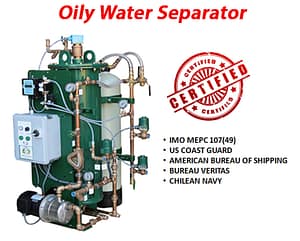
The Power of BOSS Oily Water Separator – Navigating Environmental Compliance

BOSS OWS

BOSS Oily Water Separator – The Best Option for your wastewater treatment

BOSS OWS

How BOSS Oily Water Separators are Shaping the Maritime Industry and Preserving Our Oceans

In an era where environmental sustainability and regulatory compliance are paramount, the maritime industry faces a crucial challenge – how to effectively manage oily wastewater, particularly bilge water, while minimizing its ecological footprint. BOSS OWS Oily Water Separators have emerged as a game-changing solution to this complex problem, revolutionizing the way ships and offshore installations handle oily wastewater. In this comprehensive article, we explore the significance of BOSS Oily Water Separators, their impact on environmental compliance, and their role in preserving our oceans.

The Imperative of Oil-Water Separation

Oil-water separation is an essential process in the maritime industry, critical for preventing the discharge of oil and hydrocarbon-contaminated water into the sea. Failing to address this challenge can result in environmental disasters, costly fines, and reputational damage. The BOSS OWS (Oily Water Separator) stands as a beacon of hope, offering an innovative approach to efficient and environmentally responsible bilge water management.

Understanding BOSS Oily Water Separators

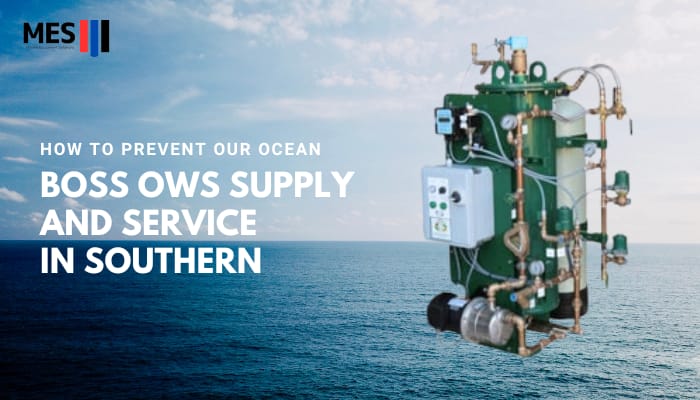
BOSS Oily Water Separators, developed by H2O Inc., are advanced, state-of-the-art systems designed to meet and exceed international regulatory standards. They are engineered to efficiently separate oil and other hydrocarbon contaminants from bilge water, ensuring that discharged water meets strict environmental criteria. Here’s why these separators have become the gold standard in the maritime industry:

1. Compliance Excellence

BOSS Oily Water Separators are engineered with a primary focus on regulatory compliance. They adhere to the stringent requirements of international bodies such as the International Maritime Organization (IMO) and the United States Coast Guard (USCG). By using these separators, shipowners and operators can confidently navigate the complex regulatory landscape.

2. Cutting-Edge Technology

The heart of BOSS Oily Water Separators lies in their cutting-edge technology. These systems employ a combination of coalescence, adsorption, and filtration techniques to efficiently remove oil droplets and other contaminants from bilge water. The result is water that meets or exceeds the most demanding environmental standards.

3. Compact Design, Maximum Efficiency

Space on ships and offshore installations is at a premium. BOSS Oily Water Separators are renowned for their compact design, allowing for easy installation in tight spaces without sacrificing performance. This efficient use of space ensures that other critical equipment and operations can coexist seamlessly.

4. Ease of Operation

User-friendliness is a hallmark of BOSS Oily Water Separators. Crew members can easily operate and maintain these systems with minimal training. This simplicity ensures smooth operations even in challenging maritime conditions.

5. Durability and Reliability

In the harsh marine environment, equipment durability is paramount. BOSS Oily Water Separators are built to withstand the rigors of maritime operations, ensuring longevity and reliability. This means fewer breakdowns, less downtime, and greater peace of mind for operators.

6. Sustainability and Environmental Responsibility

Beyond compliance, BOSS Oily Water Separators reflect a commitment to environmental responsibility. By efficiently removing oil and hydrocarbon contaminants, these systems minimize the ecological impact of maritime activities. They contribute significantly to a cleaner, safer, and more sustainable marine environment.

The Environmental Impact

The deployment of BOSS Oily Water Separators has far-reaching implications for the health of our oceans and marine ecosystems. By preventing the discharge of oil-contaminated water, these systems protect marine life, preserve delicate ecosystems, and maintain the pristine beauty of our oceans. It’s a powerful testament to the positive impact that advanced technology can have on environmental conservation.

BOSS Oily Water Separators represent more than just a technological innovation; they embody a commitment to environmental preservation, regulatory compliance, and responsible maritime operations. Shipowners and operators who choose these systems are not only safeguarding their businesses but also contributing to a sustainable future for our oceans.

In a world where environmental consciousness is paramount, BOSS Oily Water Separators are steering the maritime industry toward a cleaner and more responsible path. As they continue to evolve and improve, these systems are poised to play an even more significant role in shaping the maritime industry’s future and preserving the natural beauty of our oceans for generations to come.

Obtaining BOSS Oily Water Separators and Ensuring Their Optimal Performance

If you recognize the need for a BOSS Oily Water Separator to enhance your vessel’s environmental compliance or require service and calibration to maintain peak performance, rest assured that help is readily available. Marine Equipment Solution (MES) stands as your trusted partner in procuring BOSS OWS. Our experienced team can provide you with a quote tailored to your specific needs, ensuring a seamless integration of this cutting-edge technology into your maritime operations.

Additionally, if you encounter any issues or require servicing and calibration for your BOSS OWS, it’s essential to rely on approved engineers designated by the BOSS OWS manufacturer. These experts possess the specialized knowledge and training required to address technical challenges and ensure that your separator functions optimally.

Should you require service, calibration, or maintenance for your BOSS Oily Water Separator, Marine Equipment Solution is your go-to resource. We can connect you with approved engineers who are well-versed in the intricacies of these systems, guaranteeing that your equipment operates at its best, in full compliance with environmental regulations. Your commitment to environmental responsibility and regulatory compliance can be further reinforced through our partnership, ensuring a cleaner, safer, and more sustainable maritime future.

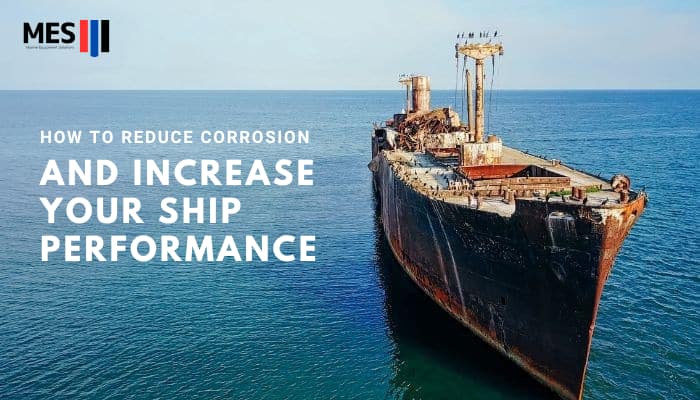
How to Reduce Corrosion and Increase Ship Performance

8 Tips How to Reduce Corrosion that Increase Ship Performance

Corrosion, the gradual deterioration of metals due to environmental factors, is a significant challenge faced by the maritime industry. It not only affects the aesthetics of a ship but also poses serious threats to its structural integrity, safety, and overall performance. Fortunately, there are effective strategies to combat corrosion and enhance ship performance. In this article, we’ll explore key measures that can be taken to reduce corrosion and ensure optimal ship functionality.

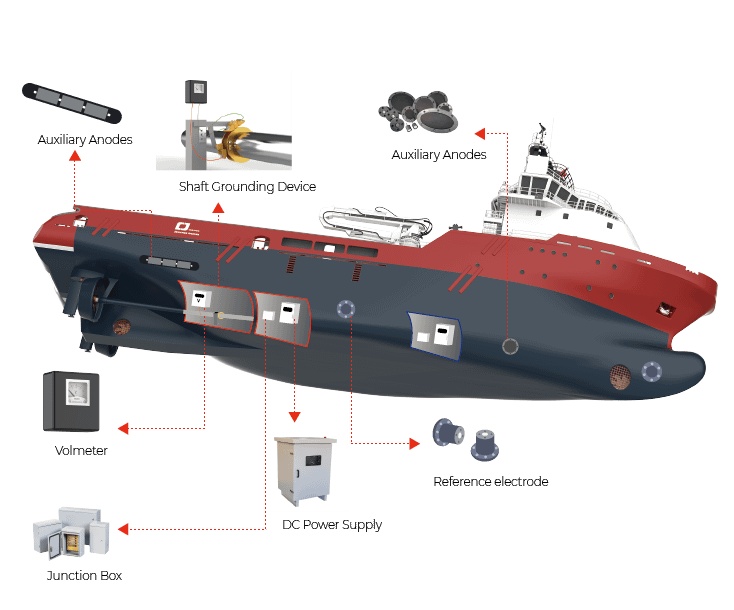
How to reduce corrosion to increase ship performance
Some part to take care of your ship

1. High-Quality Coatings and Paint Systems

Investing in high-quality coatings and paint systems is a crucial step in combating corrosion. These protective layers create a barrier between the metal surface and corrosive elements like saltwater and atmospheric pollutants. Regularly inspecting and maintaining coatings is essential to identify areas of damage or wear and promptly address them. Advanced coating technologies, such as cathodic protection and sacrificial anodes, can provide an extra layer of defense against corrosion.

2. Cathodic Protection Systems

Cathodic protection is an electrochemical method that prevents corrosion by making the ship’s structure the cathode of an electrochemical cell. Sacrificial anodes made of metals that corrode more readily than the ship’s hull are strategically placed, and the anodes corrode sacrificially to protect the ship’s metal components. This technique is particularly effective for submerged or partially submerged parts of the ship, such as the hull and propellers.

3. Regular Inspection and Maintenance

Routine inspection and maintenance play a critical role in corrosion prevention. Implement a proactive maintenance schedule that includes cleaning, repainting, and replacing corroded components. Regularly inspecting hidden areas, such as ballast tanks and bilges, is essential to catch corrosion early and prevent it from spreading.

4. Corrosion-Resistant Materials

When constructing or retrofitting ships, consider using corrosion-resistant materials, especially for components that come into direct contact with seawater. Stainless steel, aluminum alloys, and corrosion-resistant coatings can significantly extend the lifespan of critical ship components.

5. Anti-Fouling Measures

Barnacles, algae, and other marine organisms can accelerate corrosion by creating crevices and trapping moisture against the metal surface. Employing effective anti-fouling measures, such as specialized coatings and underwater cleaning systems, can reduce the growth of these organisms and prevent associated corrosion.

6. Monitoring and Data Analytics

Utilize advanced monitoring systems and data analytics to track the condition of the ship’s components in real-time. Sensors and remote monitoring technologies can provide insights into corrosion rates, structural integrity, and the overall health of the vessel. This data-driven approach enables timely interventions and predictive maintenance.

7. Proper Ballast Water Management

Ballast water, which is essential for maintaining ship stability, can introduce corrosive organisms and accelerate corrosion. Implementing proper ballast water management practices, including treatment systems and proper ballast exchange procedures, can mitigate this risk.

8. Training and Awareness

Empower crew members with the knowledge and skills to identify and report corrosion-related issues. Providing training on best practices for corrosion prevention, maintenance, and the proper use of protective coatings can contribute to a culture of proactive ship preservation.

Please note, reducing corrosion and enhancing ship performance go hand in hand. By investing in protective coatings, utilizing cathodic protection, practicing regular inspection and maintenance, and leveraging technology for monitoring, the maritime industry can significantly extend the life of vessels, improve safety, and enhance operational efficiency. Addressing corrosion challenges not only benefits individual ships but also contributes to the overall sustainability and longevity of the global maritime fleet.

If you need to install anti corrosion and fouling system for your ship, please contact marine equipment solution to consult. Our experts will happy to discuss how to deal with your ship performance.

The Future of the Marine Industry in Southeast Asia

How Shipping Company and Shipyard to Adapt the Future of Marine Industry in Southeast Asia

The marine industry is a major economic driver in Southeast Asia. It contributes billions of dollars to the region’s GDP and supports millions of jobs. In recent years, the industry has undergone significant changes, and these changes are likely to accelerate in the years to come.

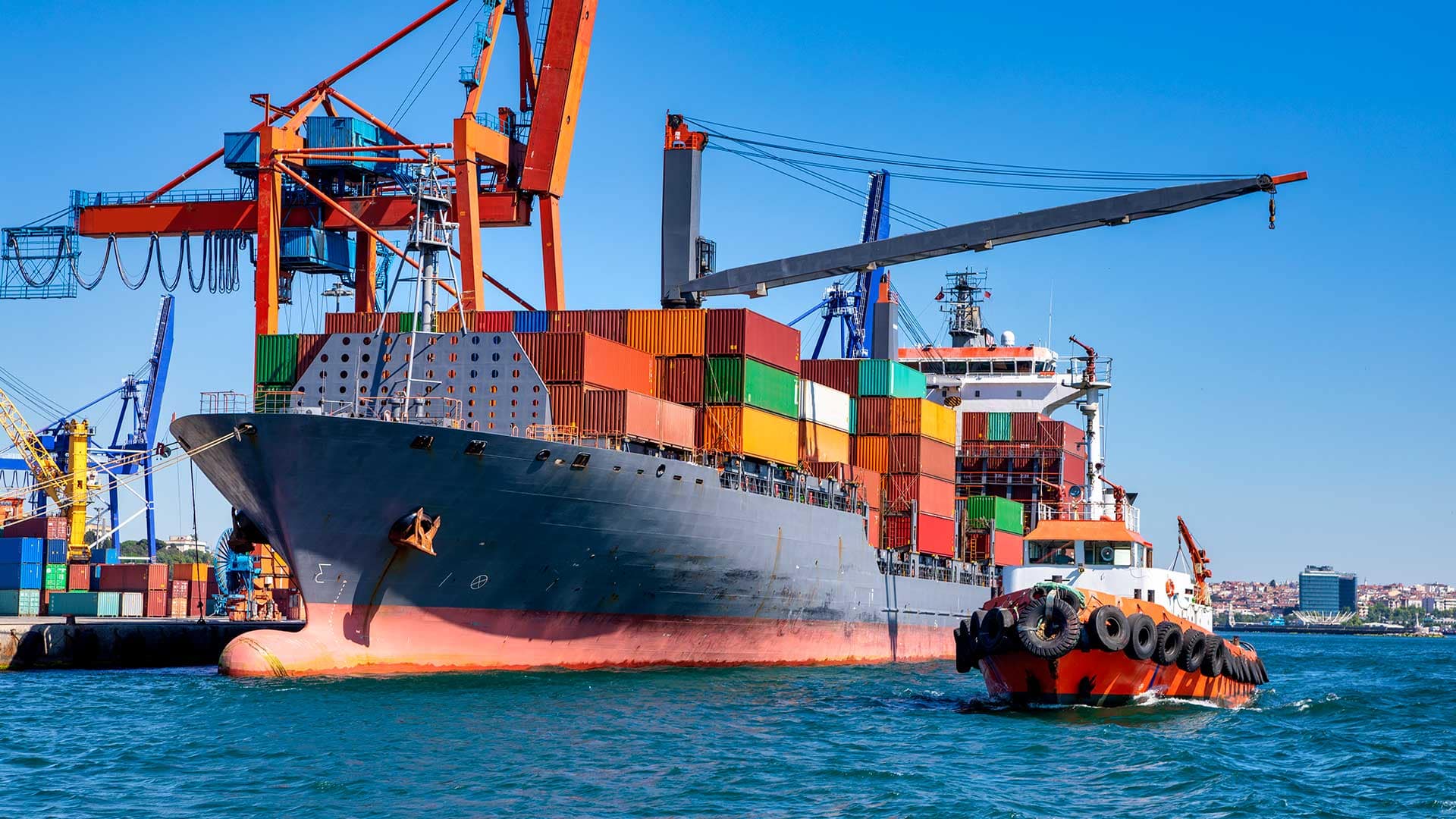
One of the most significant trends in the marine industry is the decarbonization of shipping. Southeast Asia is one of the world’s largest shipping hubs, and the region’s shipping companies are under pressure to reduce their emissions. This is leading to the development of new technologies, such as LNG-powered ships and wind-powered ships.

Another major trend is the digitalization of the marine industry. Sensors, data analytics, and artificial intelligence are being used to improve ship safety, efficiency, and sustainability. This is leading to the development of new services, such as predictive maintenance and remote monitoring.

The marine industry in Southeast Asia is also becoming more sustainable. Shipping companies are looking for ways to reduce their environmental impact, such as using cleaner fuels and developing more efficient ships. Shipyard are also looking for ways to reduce their environmental impact, such as using recycled materials and minimizing waste.

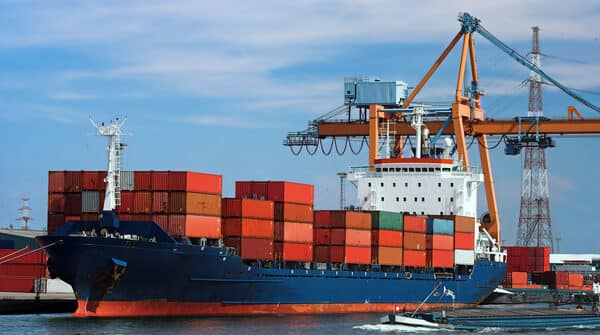
Container shipping trends in southeast asia

The marine industry in Southeast Asia is facing a number of challenges, but it is also undergoing a period of rapid innovation. The industry is well-positioned for the future, and it is likely to play a key role in the region’s economy for many years to come.

Here are some of the key trends that are expected to shape the marine industry in Southeast Asia in the years to come:

  • Decarbonization: Southeast Asia is one of the world’s largest shipping hubs, and the region’s shipping companies are under pressure to reduce their emissions. This is leading to the development of new technologies, such as LNG-powered ships and wind-powered ships.
  • Digitalization: Sensors, data analytics, and artificial intelligence are being used to improve ship safety, efficiency, and sustainability. This is leading to the development of new services, such as predictive maintenance and remote monitoring.
  • Sustainability: Shipping companies and shipyards in Southeast Asia are looking for ways to reduce their environmental impact, such as using cleaner fuels and developing more efficient ships.
  • Collaboration: Shipping companies and shipyards in Southeast Asia are becoming more collaborative. This is being driven by the need to share data and resources in order to address common challenges, such as decarbonization and cybersecurity. Collaboration is also being seen as a way to improve efficiency and reduce costs.
  • Innovation: Shipping companies and shipyards in Southeast Asia are constantly innovating. This is being driven by the need to meet the demands of a changing world. The industry is looking for new ways to improve safety, efficiency, and sustainability.

These are just some of the key trends that are expected to shape the marine industry in Southeast Asia in the years to come. The industry is facing a number of challenges, but it is also undergoing a period of rapid innovation. The marine industry in Southeast Asia is well-positioned for the future, and it is likely to play a key role in the region’s economy for many years to come.

If you are a shipping company or shipyard in Southeast Asia, you need to be aware of these trends and how they are likely to impact your business. You need to be prepared to invest in new technologies and to adopt new ways of doing business. If you do, you will be well-positioned to succeed in the years to come.

Here are some specific tips for shipping companies and shipyards in Southeast Asia:

  • Invest in new technologies: There are a number of new technologies that can help you to improve your business, such as LNG-powered ships, wind-powered ships, sensors, data analytics, and artificial intelligence.
  • Adopt new ways of doing business: The marine industry is changing, and you need to be prepared to change with it. You need to be open to new ideas and to new ways of doing business.
  • Collaborate with other shipping companies and shipyards: Collaboration is key to success in the marine industry. You need to be willing to share data and resources with other companies in the region.
  • Innovate: The marine industry is constantly evolving, and you need to be at the forefront of innovation. You need to be looking for new ways to improve your business and to reduce your environmental impact.

If you follow these tips, you will be well-positioned to succeed in the marine industry in Southeast Asia.

Latest Updates in the Booming Southeast Asian Marine Industry

Latest update marine industry in southeast asia

The maritime landscape of Southeast Asia has undergone a remarkable transformation over the past decade. With a rich history deeply intertwined with the sea, the region has seized the opportunity to harness its maritime potential, resulting in a booming marine industry. This article delves into the latest updates and trends that have fueled this growth, backed by a decade’s worth of data, and explores the economic prospects that continue to drive the industry forward.

Decade of Growth: A Data-Backed Overview

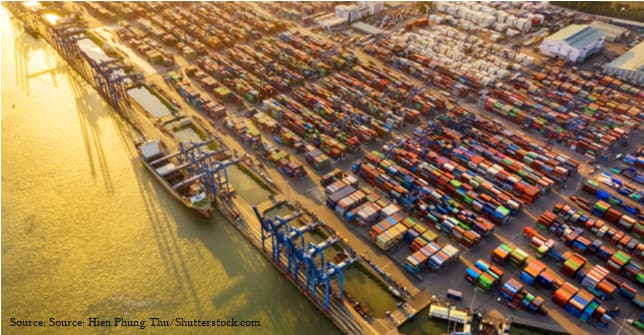
Over the last ten years, the Southeast Asian marine industry has experienced exponential growth. According to data from regional maritime authorities and industry reports, the annual trade volume through major Southeast Asian ports has increased by an average of 7% each year. This surge can be attributed to factors such as increased global trade, the emergence of new shipping routes, and improved port infrastructure.

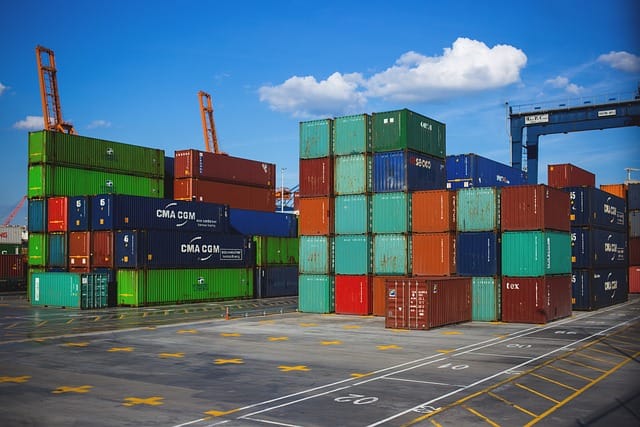
Container throughput, a key indicator of maritime trade, has also witnessed a significant uptick. For instance, the Port of Singapore, one of the busiest container ports globally, saw its container throughput rise by 25% over the past decade. Similarly, other major ports in the region, including Port Klang in Malaysia and Tanjung Priok in Indonesia, have reported substantial growth.

Driving Factors: Economic Prospects

The economic prospects of Southeast Asia have played a pivotal role in propelling the marine industry forward. As economies in the region continue to develop and urbanize, the demand for goods has surged, leading to increased maritime trade activities. Additionally, the growth of the middle class in countries like Vietnam, Indonesia, and Thailand has driven consumer demand, further boosting shipping and logistics.

Furthermore, the Southeast Asian governments’ commitment to infrastructure development has been a driving force behind the industry’s growth. Investments in port facilities, multimodal transportation networks, and smart technologies have not only enhanced trade efficiency but have also attracted foreign investments, making the region a maritime hub.

Trends Shaping the Industry

Several trends have emerged over the past decade that have shaped the trajectory of the Southeast Asian marine industry:

  1. Digitalization and Automation: The industry has embraced digital technologies, from blockchain for secure and transparent supply chains to AI-powered predictive maintenance for vessels. This has improved operational efficiency, reduced downtime, and enhanced safety.
  2. Sustainability Initiatives: Southeast Asia’s maritime industry has taken significant strides towards sustainability. Green initiatives, such as adopting cleaner fuels and implementing eco-friendly practices, have been prioritized to mitigate environmental impact.
  3. Emergence of E-commerce: The surge in e-commerce has led to a shift in logistics requirements. The industry has adapted by optimizing last-mile delivery solutions and exploring innovative ways to meet customer demands.
  4. Regional Collaboration: Cross-border collaboration and partnerships have flourished. Joint ventures, trade agreements, and the establishment of regional maritime councils have fostered cooperation for mutual growth.
  5. Shipbuilding and Repair: Southeast Asia has become a prominent shipbuilding and repair hub. The industry’s expertise, cost-effectiveness, and proximity to major shipping routes have attracted international clients.

Looking Ahead: The Road Ahead

As we look to the future, the Southeast Asian marine industry’s trajectory remains promising. Economies in the region are projected to continue growing, and with that, maritime trade is set to expand further. Moreover, the region’s strategic location as a global trade hub and the ongoing investments in infrastructure ensure its continued relevance on the maritime map.

However, challenges such as environmental concerns, geopolitical uncertainties, and the need for skilled labor remain on the horizon. The industry’s ability to address these challenges will determine its sustainable growth.

Sustainable Future: Addressing Challenges and Opportunities

To ensure the continued success of the Southeast Asian marine industry, it’s imperative to address the challenges that lie ahead and seize the opportunities they present.

Environmental Sustainability: As concerns about climate change and environmental impact grow, the industry must embrace sustainable practices. This includes adopting cleaner fuels, implementing stricter emissions standards, and investing in innovative technologies that reduce the carbon footprint of vessels and port operations. By prioritizing sustainability, the industry can not only mitigate its impact on the environment but also enhance its long-term viability.

Geopolitical Uncertainties: The geopolitical landscape can have a profound impact on maritime trade. Disputes over territorial waters, changing trade policies, and global economic shifts can create uncertainty. To navigate these challenges, the industry should focus on building resilient supply chains, diversifying trade routes, and fostering diplomatic relationships that promote stability.

Skilled Workforce: The rapid advancement of technology in the maritime industry requires a skilled and adaptable workforce. Investing in training programs and education that equip workers with the necessary digital and technical skills will be crucial. By nurturing a skilled talent pool, the industry can effectively harness the potential of automation and digitalization while ensuring operational excellence.

Collaboration and Innovation: The industry’s ability to thrive in the coming years will depend on its capacity for collaboration and innovation. Governments, businesses, and industry organizations should continue to work together to create a supportive ecosystem that encourages research and development, facilitates information sharing, and drives forward-looking initiatives.

Conclusion: Navigating Prosperity

The Southeast Asian marine industry’s journey over the past decade has been marked by remarkable growth and transformation. Fueled by economic prospects, strategic investments, and a commitment to innovation, the industry has emerged as a key player in the global maritime arena.

As we look to the future, the challenges and opportunities that lie ahead will require collective effort and visionary leadership. By embracing sustainability, addressing geopolitical uncertainties, nurturing a skilled workforce, and fostering collaboration, the industry can chart a course towards continued prosperity.

The next decade promises even more exciting developments, with technology poised to reshape the industry, sustainability taking center stage, and regional cooperation driving growth. As the waves of change continue to shape the maritime landscape, Southeast Asia’s marine industry stands ready to navigate the challenges and opportunities on the horizon, sailing towards a sustainable and prosperous future.